

Is Glass Packaging Really Sustainable? What Cosmetic Brands Should Know
Key Takeaways
- Glass can be melted down and made into new glass again and again without losing quality, which makes it one of the most recyclable packaging materials available.
- It's heavier than plastic, so it isn't automatically the lower-impact choice. How far it travels and whether it's reused both matter.
- The most sustainable glass packaging is simple: a single material, a closure that separates easily, and a design customers want to keep, refill or recycle.
- Protecting the product counts too. Packaging that stops a formula spoiling early means less waste overall.
- If you're weighing up options for your range, browse our cosmetic glass packaging or get in touch to talk it through.
Is Glass an Eco-Friendly Packaging Material?
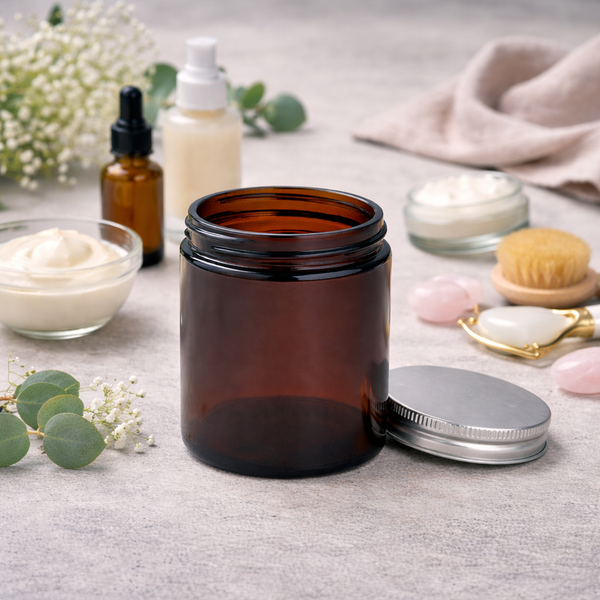
Glass can be recycled into new glass again and again.
Mostly, yes. But not by default.
Glass is made from abundant raw materials, mainly sand, soda ash and limestone. Once it's made, it can be recycled back into new glass repeatedly without the material breaking down. A glass jar collected from a recycling bin can, in principle, become another glass jar.
That's a real advantage.
Many plastics degrade each time they're recycled, which limits how many times they can be reused as packaging. Glass doesn't have that problem.
Where the picture gets more complicated is everything around the material itself: the energy used to make it, the weight it adds in transit, and what happens to it after your customer has finished with the product.
Why Isn't Glass Automatically the Greener Choice?
Weight.
A glass bottle is heavier than a plastic one of the same size, and heavier packaging takes more fuel to move. If a product is shipped long distances and the packaging is used once and thrown away, some of glass's advantage is lost.
Making glass also takes a lot of heat. Furnaces run at very high temperatures, and that energy has a footprint.
None of this makes glass a bad choice. It just means sustainability comes down to how the packaging is designed and used, not only what it's made from.
What Makes Glass Packaging More Sustainable?
A few decisions make a big difference.
Keep It to One Material Where You Can
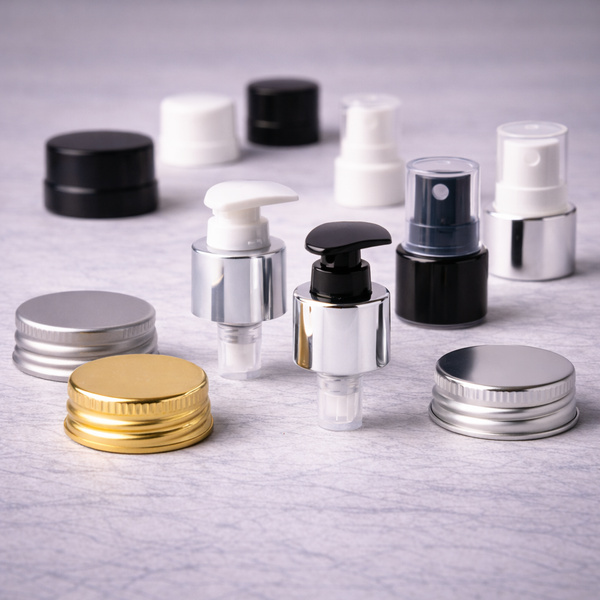
Simple caps and lids are easier to separate than multi-part pumps.
Packaging that combines lots of materials is harder to recycle. A glass jar with a simple lid that twists off separates cleanly. A bottle with a complex pump made of several plastics and a metal spring is harder to deal with once it's empty.
Where a pump or sprayer is essential, choose one your customers can remove easily and consider telling them how to dispose of each part.
Design Packaging People Want to Keep

Featured product
Miron Apothecary Jar Libra 100ml
A violet glass apothecary jar with a glass stopper, made to be kept and refilled.
View productReuse beats recycling. A well-made glass jar or apothecary bottle often gets a second life on a bathroom shelf, as a refill container or for storage at home.
That's one reason premium glass packaging suits refillable ranges so well.
Protect the Formula
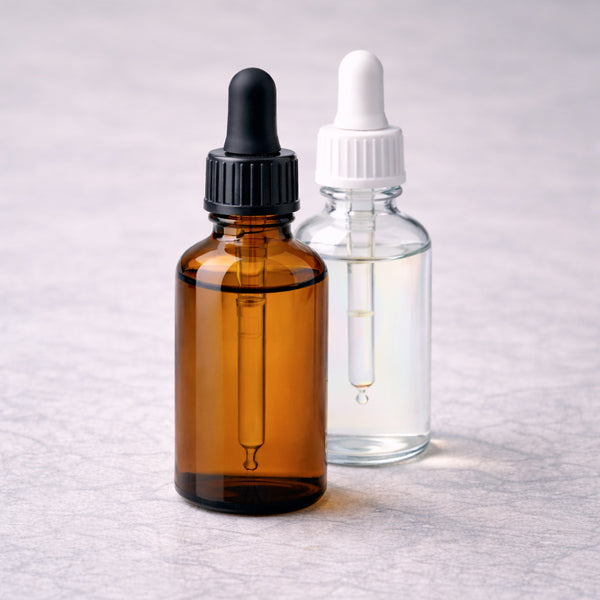
Packaging that protects the formula means less wasted product.
This is the part that's easy to overlook.
If light or air degrades a product before it's used up, the product itself is wasted, along with everything that went into making, packing and shipping it. Packaging that helps a formula last longer can reduce waste as much as any change to the material.
How Does Violet Glass Help?

Featured product
Miron Dropper Bottle Orion 30ml
A violet glass dropper bottle for light-sensitive oils, serums and tinctures.
View productSome natural cosmetics, essential oils and botanical products are sensitive to light. Over time, exposure can change their colour, scent or effectiveness.
Miron violet glass is designed to filter out most visible light, which can help protect light-sensitive contents and preserve them for longer. For brands with natural or preservative-light formulations, that protection is part of the sustainability story: less spoiled product and fewer items thrown away early.
It's also glass, so it keeps all the recyclability benefits above.
Is Glass Better Than Plastic for Cosmetic Packaging?

Featured product
Miron Cosmetic Jar Sirius 50ml
A violet glass jar for creams and balms that want a premium, refillable feel.
View productIt depends on what matters most for your product.
Glass is inert, so it won't react with most formulations, and it's strongly associated with quality and care. It's highly recyclable and easy to reuse. Plastic is lighter and less likely to break, which can matter for travel sizes or products used in the shower.
For many skincare, fragrance and wellness brands, glass is the better fit, particularly when the packaging is simple, refillable or designed to be kept. We cover the wider comparison in our guide to glass vs. plastic bottles, and our Cosmetic Glass Guide covers the main jar and bottle styles.
How Can You Talk About Sustainable Packaging Without Greenwashing?
Be specific.
Vague phrases like "eco-friendly" or "planet-positive" invite scepticism. Customers respond better to plain facts they can check: that the jar is glass and widely recyclable, that the lid separates easily, or that you offer refills.
Avoid claims you can't back up, and don't imply your packaging has no impact. Honest, practical information builds more trust than big promises.
The Bottom Line
Glass is one of the most sustainable packaging materials you can choose, but its credentials depend on how you use it.
Keep designs simple. Choose closures that separate cleanly. Make packaging worth keeping or refilling. And protect your formula so less of it ends up wasted.
Do that, and glass packaging does exactly what customers hope it does: looks after the product and the planet.
Browse our cosmetic jars, cosmetic bottles and Miron violet glass range, or get in touch if you'd like help choosing.
FAQs
Is glass packaging eco-friendly?
Glass is highly recyclable and can be remelted into new glass repeatedly without losing quality. It's most eco-friendly when it's reused or recycled and when the packaging design is simple enough to separate easily.
Is glass more sustainable than plastic?
Often, but not always. Glass is more recyclable and easier to reuse, while plastic is lighter to transport. The more a glass container is reused or recycled, the stronger its advantage.
What is the most sustainable cosmetic packaging?
Packaging that uses as few materials as possible, protects the product, and gets reused or recycled. Simple glass jars and bottles with separable closures, and refillable designs, are strong options.
Can glass cosmetic jars be recycled?
Yes. Glass jars are widely accepted in UK household recycling. Remove lids and pumps first and rinse out any remaining product.
Why do natural cosmetic brands use violet glass?
Violet glass, such as Miron, is designed to filter most visible light, which can help protect light-sensitive natural ingredients and keep products fresher for longer.
Hinterlassen Sie einen Kommentar